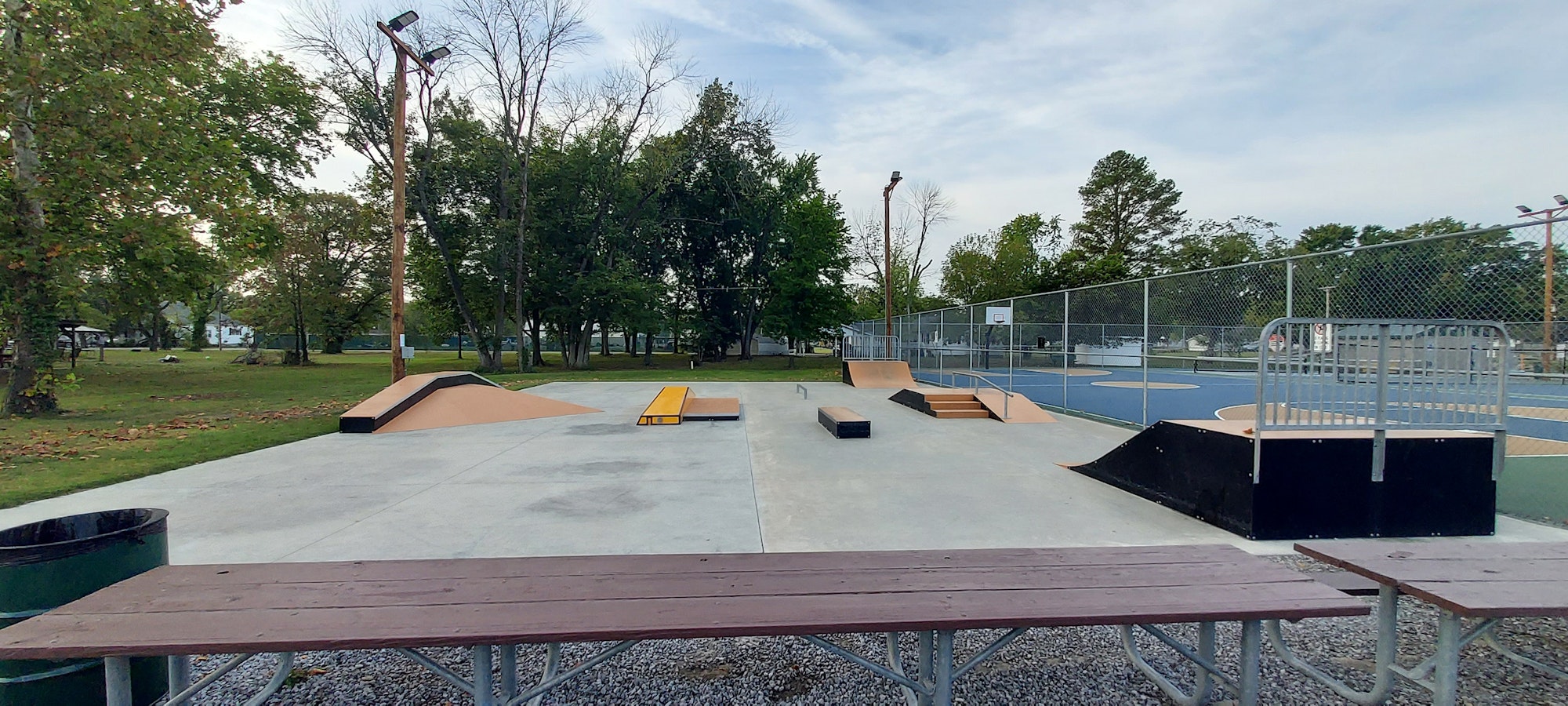
Skate Park



Skatepark Rules
Skatepark Rules.pdfSkatepark Rules - Bikes.pdf
Skateparks provide safe, dedicated spaces that foster physical fitness, mental resilience, and diverse social communities while delivering economic and safety benefits to local municipalities. They serve as highly accessible public amenities that support a wide range of wheeled sports, including skateboarding, BMX riding, and scootering.
Physical & Mental Health Benefits
- Full-body workout: Pushing and balancing engages the glutes, hamstrings, quads, core, and stabilizing hip muscles.
- Cardiovascular health: Continuous riding serves as an excellent aerobic exercise that raises the heart rate.
- Stress reduction: Physical activity releases endorphins and dopamine, providing an outlet to manage anxiety.
- Resilience building: Learning tricks teaches perseverance, discipline, and a constructive mindset toward failure.
Community & Social Impact
- Inclusive third places: Skateparks act as diverse social hubs where people of all ages and income levels build community.
- Supportive culture: The unstructured environment fosters camaraderie, mentorship, and peer encouragement.
- Youth empowerment: Dedicated spaces give non-traditional athletes and at-risk youth a strong sense of ownership and belonging
Safety Benefits
- Reduced property damage: Providing purpose-built infrastructure keeps skaters off commercial handrails, stairs, and plazas.
- Increased rider safety: Smooth, dedicated concrete surfaces drastically minimize the risk of traffic-related accidents.
Economic Growth
- Increased foot traffic: Parks draw out-of-town visitors who spend money at nearby gas stations, restaurants, and retail shops.
- Low maintenance costs: Professionally built skateparks require minimal ongoing upkeep compared to traditional sports fields.